
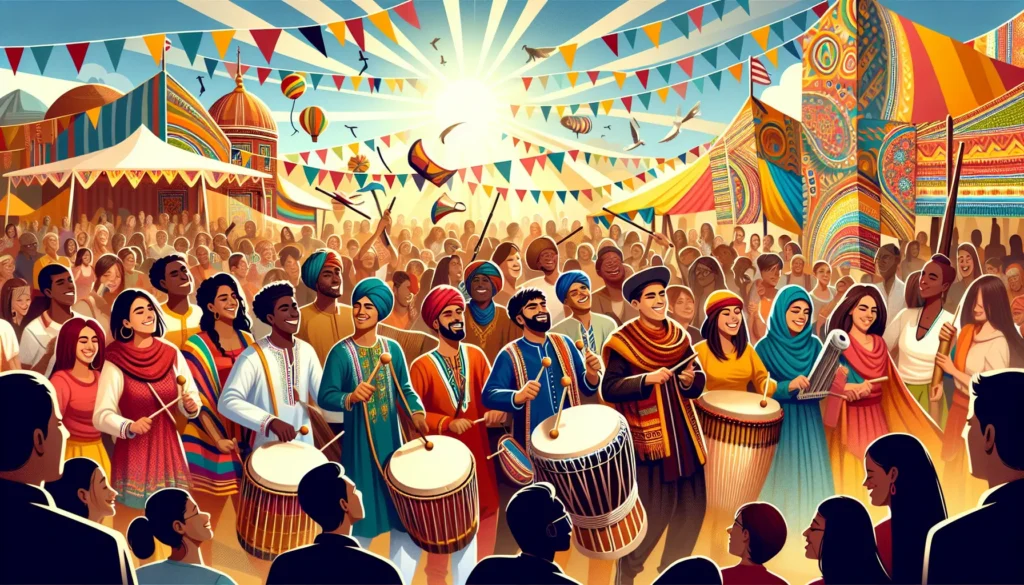
Ever heard of Qpibandee? If you haven’t, well, buckle up: you’re in for a fascinating jump into a cultural gem that’s as intriguing as it is rich in history. Picture this: an age-old tradition that not only showcases creativity but also unites communities in ways that rival even the best family reunions. In this text, we’ll explore the ins and outs of Qpibandee, sprinkle in a bit of humor, and serve up insightful details that might just leave you thinking, “Why don’t I know more about this?” Let’s embark on this journey together.
What Is Qpibandee?
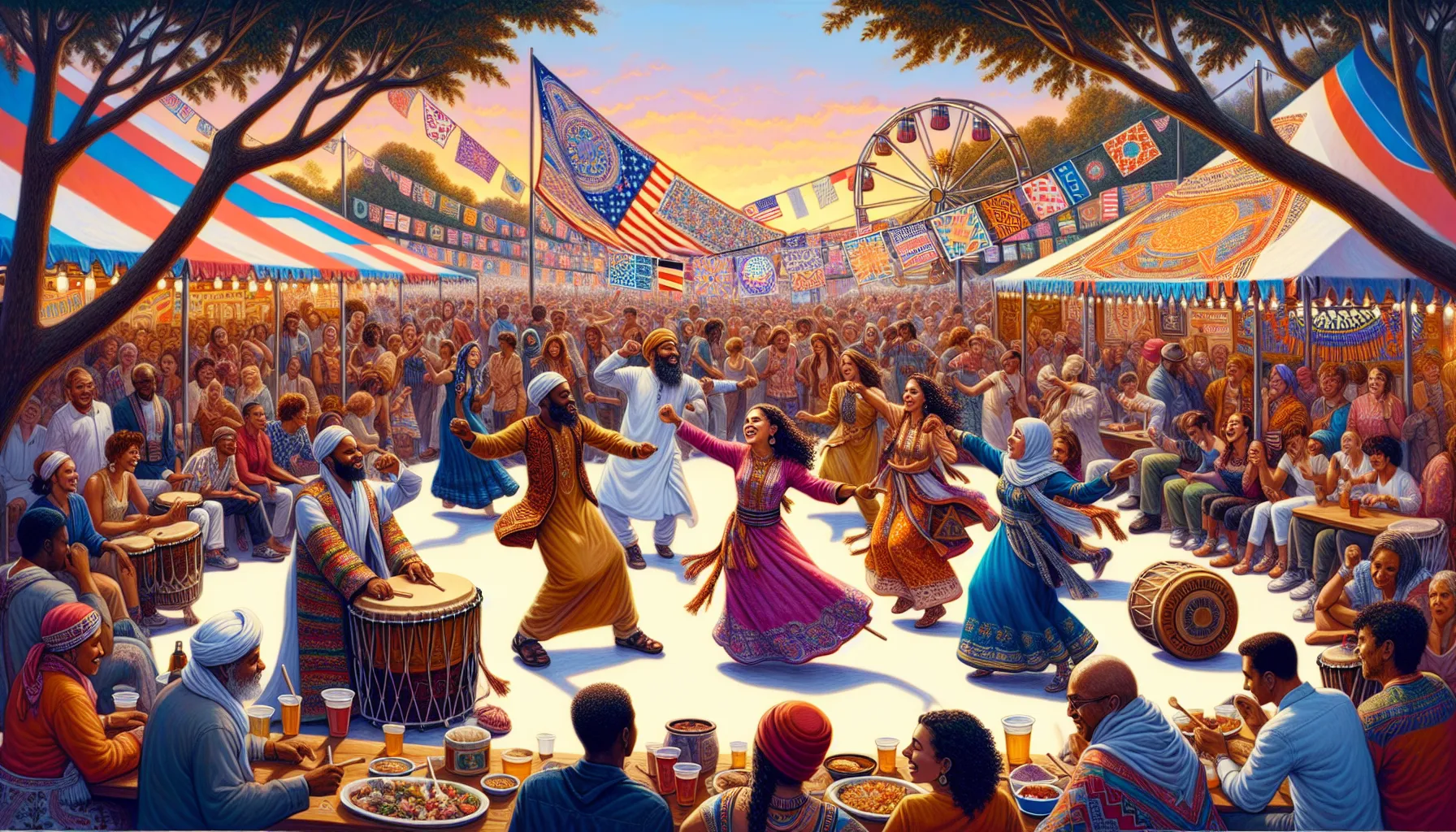
Qpibandee is a unique cultural practice that intertwines art, music, and community spirit. For many, it represents more than just an art form: it’s a way to connect, communicate, and celebrate shared values. Imagine lively gatherings where voices harmonize and activities invigorate the soul. At its core, Qpibandee is about creativity, expressive freedom, and a sense of belonging. Whether through spontaneous dances or traditional songs, we’ve all felt the exhilarating energy that such cultural expressions ignite.
Most people encounter Qpibandee in festive settings like local fairs and celebrations, where the joyful noise of drums and laughter fills the air. But what sets it apart from other cultural traditions? The answer lies in its ability to evolve while staying deeply rooted in its origins. In simpler terms, it’s old-school charm with a modern twist.
History and Origins of Qpibandee
The origins of Qpibandee trace back to ancient times, where it thrived as a communal activity aimed at reinforcing social bonds and cultural identity. Historically, it emerged in regions rich in diverse cultural influences, leading to a unique blend of practices that reflect the heritage of its people.
As we look back, it’s important to acknowledge that Qpibandee evolved through various stages, influenced by the dynamics of society, migration, and even globalization. Each phase left its mark, shaping what we recognize today. This history isn’t just a lesson: it’s a celebration of cultural resilience. Our ancestors infused their stories into every beat, ensuring that the spirit of Qpibandee lived on through generations. Even today, its roots remind us of how far we’ve come while anchoring us to who we are culturally.
Cultural Significance of Qpibandee
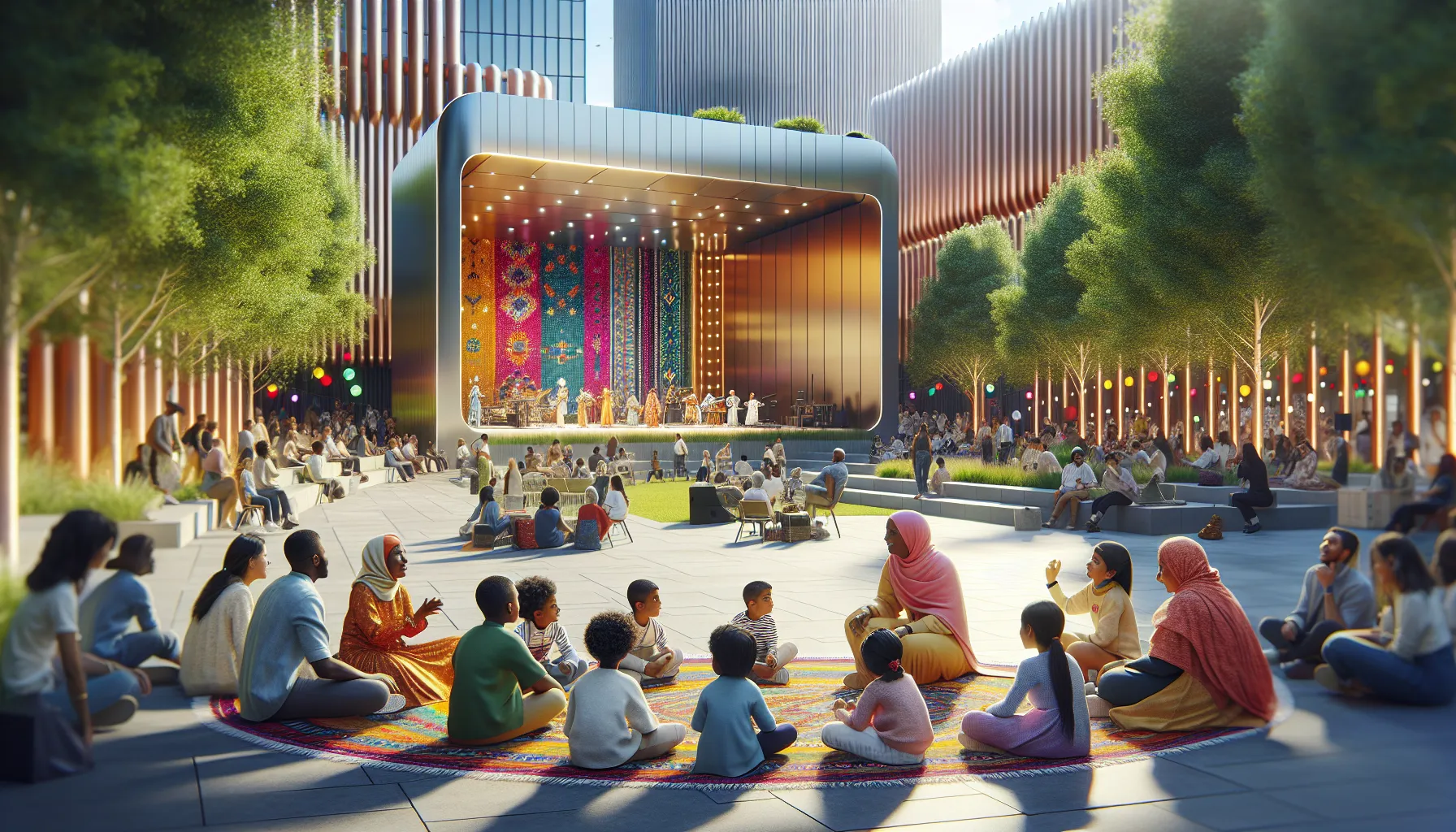
Qpibandee isn’t just another cultural artifact: it carries immense significance within communities. We’ve witnessed firsthand how it fosters unity, allowing individuals from all walks of life to participate and contribute. The essence of Qpibandee lies in its democratic nature, everyone has a role, be it as a performer, listener, or organizer.
Also, it serves as a bridge between generations. Children learn from their elders, absorbing stories and practices that would otherwise fade away. This intergenerational exchange enriches our understanding of tradition and identity, making Qpibandee a living, breathing example of cultural continuity.
In essence, Qpibandee educates and entertains simultaneously. It weaves a narrative that resonates, reminding us of our shared humanity while celebrating our individual stories.
How Qpibandee Is Practiced Today
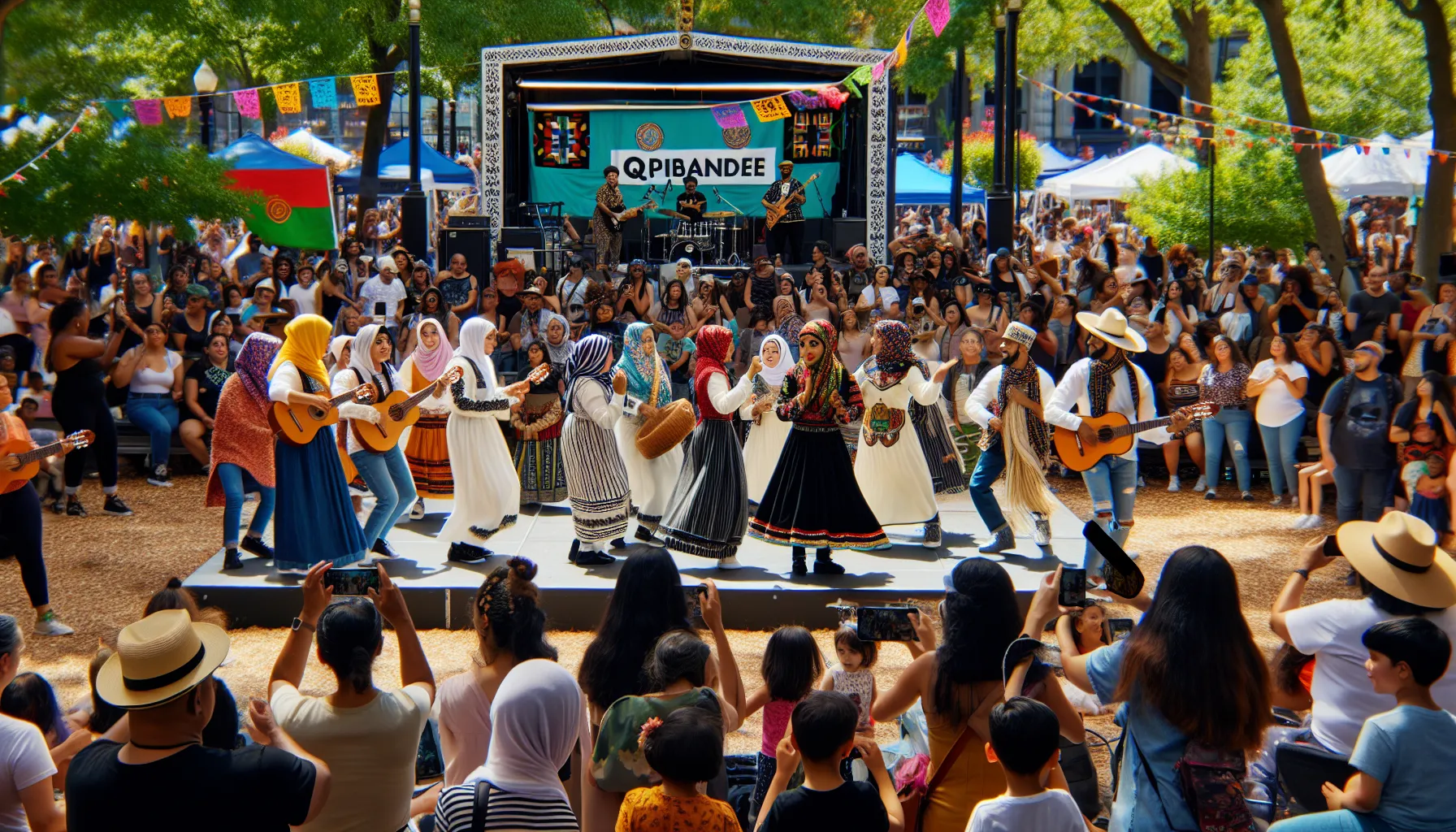
Fast forward to today, and we see Qpibandee thriving in various forms across communities. Communities often host events showcasing local talent where everyone can gather, share stories, and engage in traditional practices. This revitalization has breathed new life into the old ways, ensuring they remain relevant.
Plus to traditional settings, technology plays a role in how Qpibandee is shared. Social media platforms are teeming with videos and live performances, reaching audiences far and wide. This blend of tradition and modernity reflects our current cultural landscape and illustrates our adaptability.
Whether it’s a spontaneous performance on the street or a meticulously organized festival, the heart of Qpibandee beats fiercely, inviting young and old alike to join in the celebration. We actively participate, redefine, and elevate this practice, ensuring its vitality for future generations.
qpibandee
As vibrant as Qpibandee is, it faces challenges that threaten its continuation. Urbanization and globalization have steered many individuals away from traditional practices, creating a disconnect between the past and present. We often find ourselves at a crossroads, grappling with the allure of modern life while striving to preserve what makes us unique.
Also, generational gaps present hurdles. Younger generations may feel less inclined to engage with traditions they perceive as outdated or irrelevant. We must actively invest in educating and inspiring youth about the importance of their cultural heritage. Creative adaptations can help bridge this gap, allowing traditions to evolve without losing their essence.
We must tackle these challenges collectively: workshops, community events, and educational initiatives can create awareness and appreciation for Qpibandee. Together, we should advocate for its growth and relevance in contemporary society.