
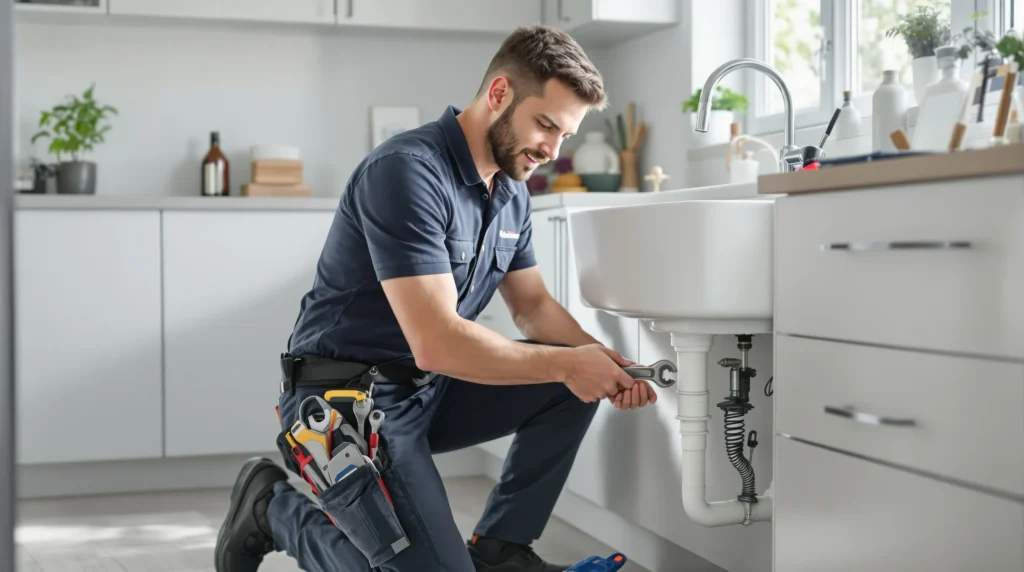
Why Home Plumbing Maintenance Matters More Than You Think
Picture this: It’s 2 a.m. You’re jolted awake by the sound of water gushing somewhere it shouldn’t. You stumble into the hallway, feet squishing on soaked carpet. If you’ve ever faced a plumbing disaster, you know the panic. Home plumbing maintenance isn’t just about avoiding soggy socks—it’s about protecting your sanity, your wallet, and your home’s value.
Most people ignore their pipes until something bursts. But here’s the part nobody tells you: a little attention now saves you thousands later. If you’ve ever wondered whether home plumbing maintenance is worth your time, let’s break it down with real stories, practical tips, and a few hard-learned lessons.
What Is Home Plumbing Maintenance?
Home plumbing maintenance means checking, cleaning, and caring for the pipes, fixtures, and appliances that keep water flowing in your house. It’s not just for old homes or fixer-uppers. Even brand-new houses need regular checks. Think of it like brushing your teeth—skip it, and you’ll pay for it later.
Here’s why: Water is sneaky. It finds the tiniest cracks, the smallest leaks, and turns them into big problems. Regular home plumbing maintenance keeps those problems from spiraling out of control.
Who Needs Home Plumbing Maintenance?
If you own a home, rent a house, or even manage a property, this is for you. Got a single bathroom? You need it. Live in a 100-year-old Victorian? You really need it. Even if you’re handy, you can’t see inside your walls. Home plumbing maintenance is for anyone who wants to avoid surprise repairs and keep their water bills in check.
But if you’re a renter in a high-rise with a full-time maintenance crew, you can probably skip the DIY tips—just know what to watch for and when to call for help.
Common Plumbing Problems You Can Prevent
Let’s get specific. Here are the top issues regular home plumbing maintenance can help you avoid:
- Leaky faucets: That drip-drip-drip isn’t just annoying. It can waste over 3,000 gallons a year.
- Clogged drains: Hair, grease, and soap scum build up fast. A slow drain today can mean a full backup tomorrow.
- Running toilets: One faulty flapper can add $100 to your water bill in a month.
- Burst pipes: Frozen or corroded pipes can flood your home in minutes.
- Low water pressure: Mineral deposits and hidden leaks are often to blame.
Here’s the kicker: Most of these start small. You can catch them early with simple home plumbing maintenance.
How to Do Home Plumbing Maintenance: Step-by-Step
1. Check for Leaks
Start with your eyes and ears. Look under sinks, behind toilets, and around appliances. Listen for hissing or dripping. Even a tiny leak can cause mold or rot. If you spot water stains or musty smells, act fast.
2. Test Water Pressure
Turn on your faucets one at a time. If the water trickles or sputters, you might have a clog or a hidden leak. You can buy a simple pressure gauge for under $15. Ideal home water pressure is 40-60 psi. Anything lower? Time to investigate.
3. Clean Drains and Traps
Don’t wait for a clog. Every month, pour boiling water down your kitchen and bathroom drains. For stubborn buildup, use a mix of baking soda and vinegar. Skip harsh chemicals—they can eat away at your pipes.
4. Inspect Your Water Heater
Set a reminder to drain a few gallons from your water heater every six months. Sediment builds up fast, making your heater work harder and wear out sooner. If you hear popping or rumbling, that’s a sign it needs attention.
5. Watch for Toilet Trouble
Drop a few drops of food coloring in your toilet tank. Wait 10 minutes. If color appears in the bowl, you’ve got a leak. Replacing a flapper is cheap and takes less than 10 minutes.
6. Protect Pipes in Winter
If you live where it freezes, insulate exposed pipes with foam sleeves. Open cabinet doors under sinks to let warm air in. Let faucets drip on the coldest nights. A $2 trickle can save you a $5,000 repair.
What Most People Get Wrong About Home Plumbing Maintenance
Here’s a confession: I used to think plumbing was “set it and forget it.” I learned the hard way when a hidden leak ruined my kitchen floor. Most people only react when something breaks. But home plumbing maintenance is about prevention, not just repair.
Another myth? That you need fancy tools or a plumber for every job. In reality, most maintenance tasks need nothing more than a flashlight, a wrench, and a little patience.
When to Call a Professional
Let’s be honest—sometimes you need backup. If you spot any of these, call a licensed plumber:
- Water stains on ceilings or walls
- Persistent sewer smells
- Sudden drop in water pressure throughout the house
- Visible mold or mildew near pipes
- Water pooling in the yard (could mean a broken main line)
Don’t wait. Small problems turn into big bills fast. A good plumber can spot issues you might miss and give you peace of mind.
Pro Tips for Long-Term Home Plumbing Maintenance
- Keep a plumbing log. Write down dates of inspections, repairs, and what you checked. It helps spot patterns and saves time if you need to call for help.
- Know your shut-off valves. In an emergency, seconds count. Make sure everyone in your home knows where to turn off the water.
- Replace old hoses. Washing machine and dishwasher hoses crack over time. Swap them every five years, or sooner if you see bulges or leaks.
- Install drain screens. They cost a few bucks and catch hair, food, and debris before they cause clogs.
Here’s the part nobody tells you: Home plumbing maintenance isn’t about perfection. It’s about catching problems early, learning as you go, and not being afraid to ask for help.
Final Thoughts: Make Home Plumbing Maintenance a Habit
If you’ve ever felt overwhelmed by home repairs, you’re not alone. But home plumbing maintenance doesn’t have to be complicated. Start small. Pick one task this week—check for leaks, clean a drain, or test your water pressure. Each step you take protects your home and your peace of mind.
Remember, the best time to start home plumbing maintenance was yesterday. The second-best time is right now. Your future self (and your dry socks) will thank you.