
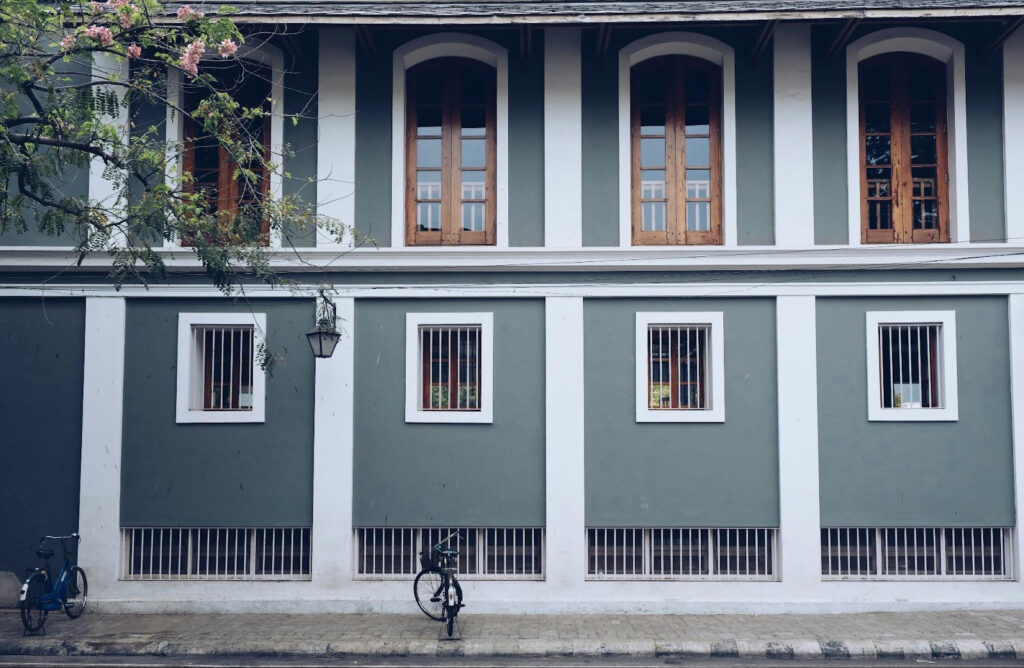
Colonial homes are the epitome of American architectural elegance. Their timeless designs and historic charm have captured hearts across generations. But there’s one thing that can amplify this appeal – the right paint color. Discover the five classic colors that turn a colonial house into a true masterpiece.
White: The Timeless Classic
White is the undisputed king. It’s crisp, clean, and complements the symmetry of colonial homes perfectly. Picture this: a brilliantly white colonial gleaming under a blue sky. It’s timeless. White reflects an aura of sophistication and enduring style. For any colonial purist, it’s a non-negotiable.
Moreover, white serves as a canvas for landscaping touches, enhancing vibrant flower beds and lush greenery. It creates a sense of openness and breathability, manifesting a calm yet crisp presence. Homeowners appreciate its versatility, allowing them to play with window frames and decorative elements without clashing with the primary color.
In addition to its benefits, white exudes an unmatched sense of purity and tranquility. It allows intricate architectural details, like molding and cornices, to pop. From exterior columns to cornices, every aspect of the home stands out, offering a seamless marriage between simplicity and timeless décor.
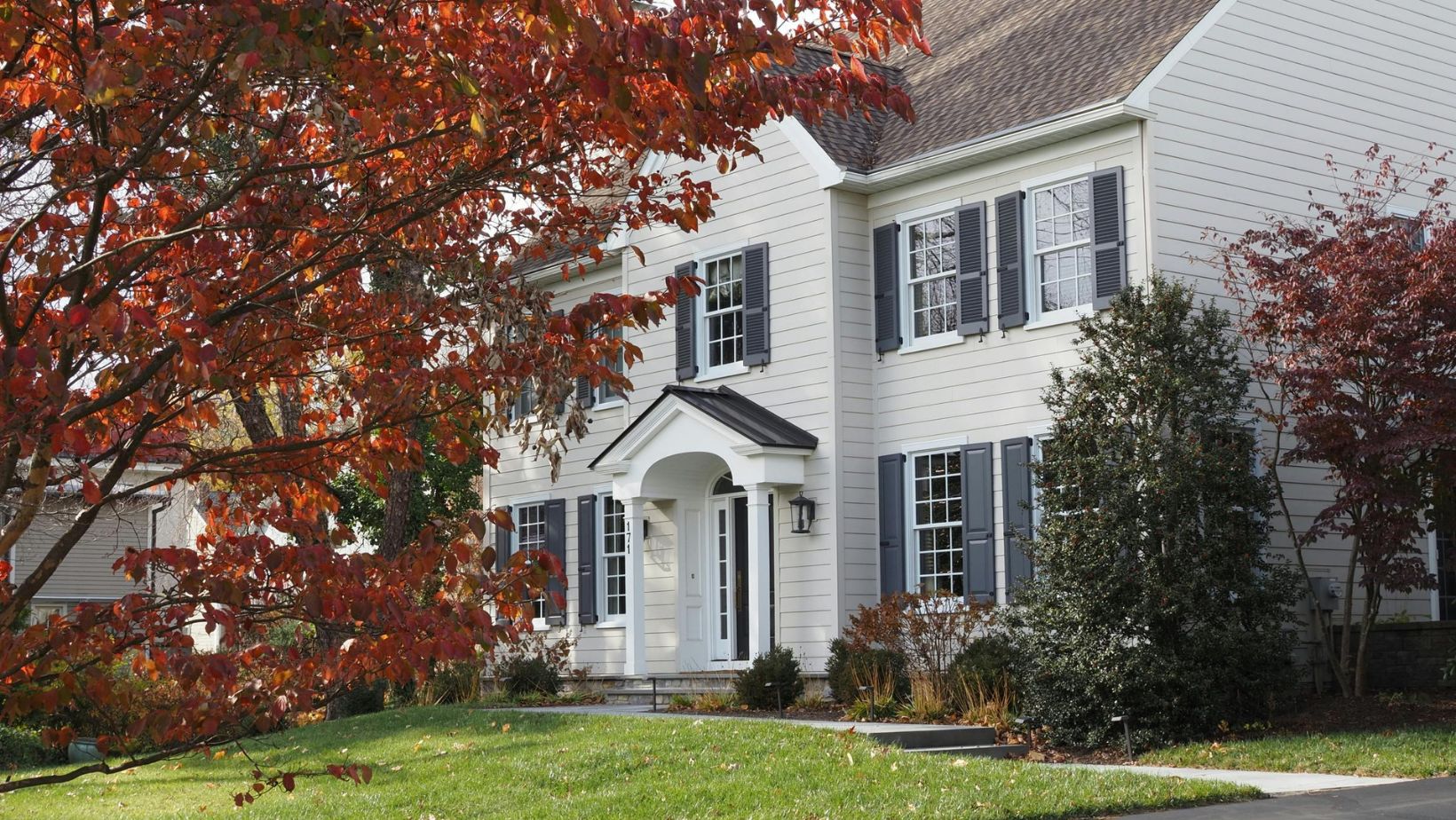
Choosing the perfect exterior paint for a colonial home is no small feat. While color plays a monumental role, so does the quality of the application. In this regard, seeking guidance from an experienced Arizona painting contractor like Crash of Rhinos can ensure a pristine finish that enhances both the color and texture of your chosen palette.
Historic Beige: Soft Elegance
Beige pulls from the earth and embraces subtlety. This soft color whispers elegance and nods to the natural landscape. Paired beautifully with red doors and green shutters, beige grants colonial homes a cozy, lived-in feel without losing their aristocratic allure. It’s understated perfection.
The warming hues of beige evoke a comforting familiarity, reminiscent of sunny autumn afternoons or sandy coastal beaches. This color interacts dynamically with the changing seasons, reflecting the golden sunsets of fall and the pristine snows of winter, each lending a fresh charm to the colonial facade.
What’s more, beige functions like a visual hug, enveloping the home in a sense of warmth and welcoming ambiance. It effortlessly bridges the gap between classical design elements and modern sensibilities, enhancing traditional architecture with an everyday charm that resonates immediately with guests and residents alike.
Slate Gray: Stately and Stoic
Slate gray wears the crown of stately. It presents a serious, dignified facade that echoes colonial-era stonework. Against dark shutters or white trim, it achieves a look of unshakeable resilience. Gray beckons sophistication paired with a contemporary edge.
Blending seamlessly into cityscapes or wooded locales, slate gray conveys a grounded presence, especially in dimming twilight or under vibrant morning light. It counters unpredictability with a rock-solid dependability, making every perspective an artful composition of light and shadow.
Furthermore, slate gray offers homeowners the freedom to accessorize with diverse accents. Whether it’s a sprightly palette of seasonal flowers or monochrome-inspired enhancements, gray adjusts with ease. Its tonal subtleties add depth and texture to even the most expansive of colonial exteriors.
Navy Blue: Bold Sophistication
Navy portrays confidence. It’s regal and rich, offering a fresh twist to the traditional colonial palette while maintaining historical integrity. Envision navy blue walls with bright white trimmings. It’s undeniably striking. Navy isn’t just a color; it’s a statement.
This deep hue resonates with a maritime legacy, subtly saluting the colonial roots in exploration and navigation. It intermixes beautifully with nautical accents like polished brass or anchor motifs, providing homeowners with ample opportunities for creative expression.
By harnessing the innate beauty of navy, homeowners can create an exterior that stands the test of time, blending heritage with sophisticated style. As sunsets set the facade aglow, navy surfaces lift the home out of ordinary contexts, cementing its status as a structured and impressive sight.
Moss Green: Nature’s Nod
Moss green invites nature into the equation. This color pays homage to the lush surroundings colonial homes often reside in. Embodying tranquility and strength, moss green works wonders when accented with rusty reds or metallic accents. It harmonizes the architectural with the organic.
The earthy undertones of moss green speak to a broader ecological context, ensuring the home feels connected to its environment. It’s especially pleasing for homeowners with an affinity for plant life, as its nurturing shades enhance garden beauty, turning every corner into an evocative scene.
As the seasons transition, moss green remains a bastion of timeless beauty, anchoring the home to its surroundings. The subtle infusion of this hue into the colonial era’s classic lines creates an inspired dialogue between shelter and nature, satisfying the perennial gaze of the viewer.
Conclusion
Colonial homes deserve the royal treatment when it comes to paint. Choosing a classic color ensures these architectural wonders shine. Whether it’s the purity of white, the stoicism of gray, or the daring navy, the right paint can revive and redefine. With these classics, a colonial home becomes not just a house but a heritage. Choose the right color, and watch history come alive again.