
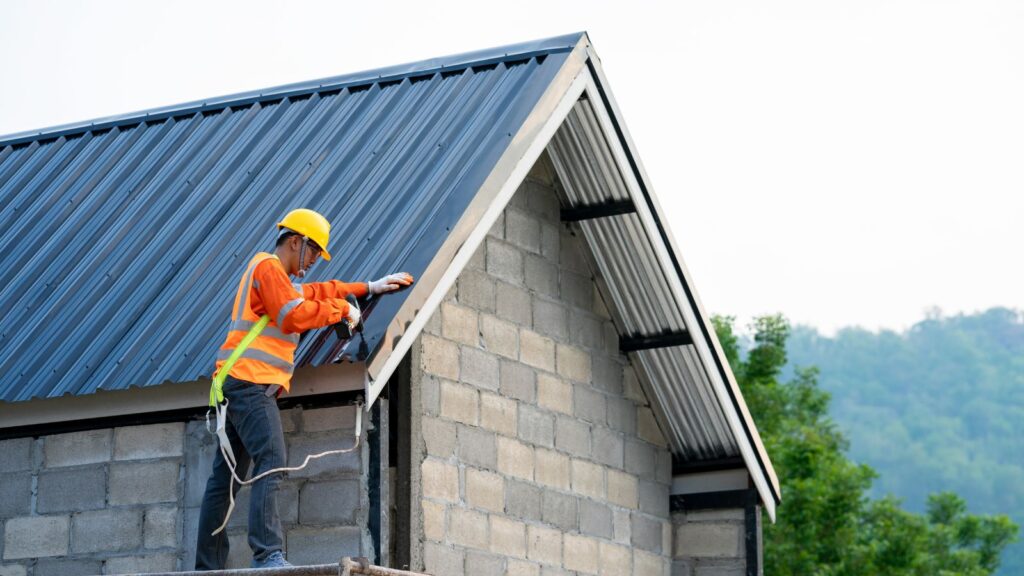
Maintaining the physical infrastructure of any commercial or residential building is fundamental to preserving overall long-term property value. Among all structural components, the roofing system serves as the primary barrier against severe weather, UV radiation, and environmental wear. Neglecting routine inspections and minor repairs can transform small, manageable issues into catastrophic structural failures that threaten internal operations. For example, partnering with experienced commercial roofing contractors like plum pro ensures your building receives comprehensive weatherproofing and long-term structural protection. Implementing a proactive maintenance strategy safeguards your capital investment, lowers emergency restoration costs, and significantly extends the overall operational lifespan of your property.
The Financial Impact of Roof Neglect on Property Equity
A roof is far more than an architectural cap; it represents a significant portion of a property’s total capital value. When property owners treat roofing systems as set-it-and-forget-it assets, deferred maintenance creates compounding financial liabilities. Moisture that penetrates an outer membrane travels along internal support beams, saturating thermal insulation and weakening structural framing. Over time, trapped moisture fosters dangerous toxic mold growth, corrodes structural steel decking, and rots wooden trusses. Remediating structural rot requires extensive demolition and reconstruction, incurring expenses that far exceed routine maintenance budgets.
Furthermore, neglected roofing systems directly impair operational revenue and property equity. For commercial landlords, visible ceiling stains, active water leaks, or persistent climate control issues ruin overall tenant satisfaction and trigger lease disputes. In addition, commercial insurance carriers increasingly inspect commercial properties thoroughly before renewing annual coverage policies. Evidence of deferred maintenance can lead to inflated insurance premiums, reduced coverage limits, or complete policy cancellation. Maintaining a documented history of professional roof care protects your asset value while preserving leverage during property appraisals and refinancing negotiations.
Core Components of a Proactive Roof Maintenance Plan
Developing a structured maintenance protocol shifts your strategy from reactive crisis management to predictable asset preservation. A comprehensive maintenance program incorporates seasonal evaluations, preventative repairs, and systematic recordkeeping.
Bi-Annual Comprehensive Inspections
Professional roof inspections should occur at least twice per year, ideally during spring and autumn. Spring inspections evaluate potential damage caused by winter freeze-thaw cycles, heavy snow loads, and ice dams. Autumn inspections prepare the building envelope for upcoming winter weather. Thorough evaluations inspect perimeter flashing, membrane seams, expansion joints, roof penetrations, and structural decking to identify vulnerabilities before moisture enters the building interior.
Drainage and Gutter System Management
Proper drainage is essential for extending roof life. Ponding water—defined as standing water that remains on a flat or low-slope roof for longer than forty-eight hours after precipitation—accelerates membrane degradation and adds immense dead weight to structural supports. Clearing leaves, silt, and debris from roof drains, scuppers, gutters, and downspouts ensures smooth water shedding and prevents structural overload during intense rainstorms.
Surface Cleaning and Debris Removal
Tree branches, windblown trash, and organic debris retain moisture against the roof surface, creating ideal conditions for algae, moss, and lichen growth. Moss roots penetrate asphalt shingles and single-ply membranes, opening microscopic pathways for water infiltration. Regular surface sweeping and carefully trimming nearby trees prevents mechanical abrasion while preserving protective surface coatings.
Seam, Flashing, and Sealant Upkeep
Roof penetrations—including HVAC curb units, skylights, plumbing vents, and electrical conduits—are primary leak sources. Thermal expansion and contraction cause caulking, pitch pockets, and elastomeric sealants to dry, crack, and pull away from substrates over time. Regularly inspecting and re-sealing flashing joints creates an impermeable barrier against driving rain and melting snow.
Recognizing Early Signs of Roof Deterioration
Property managers and owners must learn to identify early warning signs of roofing system fatigue. Catching minor physical defects early prevents minor repairs from turning into full-scale roof replacements.
Exterior Warning Indicators
Exterior signs of wear vary based on roofing material. Asphalt shingle systems exhibit curling edges, clawing, missing tabs, and heavy granule loss in gutter troughs. Low-slope single-ply membranes (such as TPO, EPDM, or PVC) display blistering, punctures, open lap seams, or surface chalking. Metal roofing systems suffer from backed-out fasteners, rusted panels, and degraded butyl sealant tape along lap joints. Masonry and chimney flashing often show cracked mortar joints or rusted counter-flashing.
Interior Signs of Moisture Intrusion
Interior indicators often appear long after moisture has breached the outer membrane. Look for discolored ceiling tiles, peeling interior wall paint, rust spots on exposed metal decking, or musty odours inside upper-floor rooms. Unexplained spikes in heating or cooling utility bills also signal compromised roof insulation, as saturated insulation loses its thermal resistance capacity.
Balancing Preventative Maintenance Costs Against Replacement
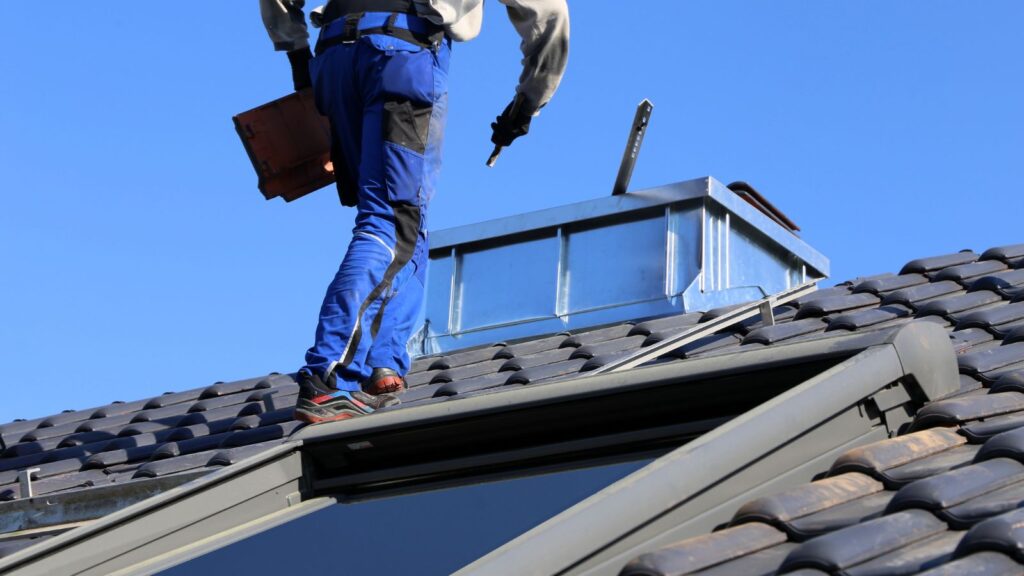
Financial analysis consistently proves that preventative maintenance offers extraordinary returns on investment. On average, annual preventative maintenance costs a fraction of total replacement expenditures per square foot. Extending a roof’s operational life by five to ten years defers massive capital expenditures, allowing owners to allocate capital toward core business growth or portfolio expansion. A well-maintained roof also drastically enhances building energy efficiency, lowering utility overhead through optimized thermal performance.
Final Verdict: Securing Long-Term Real Estate Value
Your roof is a critical guardian of structural health, tenant safety, and financial value. Implementing a disciplined maintenance plan transforms a vulnerable liability into a durable, predictable asset. By scheduling regular inspections, managing drainage systems, addressing minor repairs quickly, and tracking system health, property owners protect their capital investments for decades to come. Proactive asset protection remains the single most effective strategy for maximizing long-term real estate returns.