
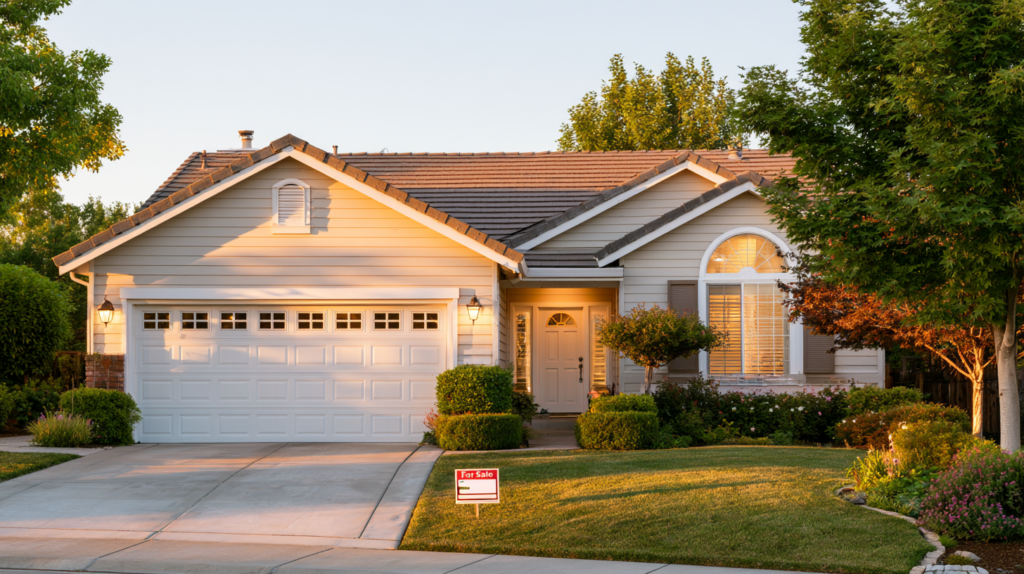
Not every improvement you make to a home comes back to you at the closing table. Some upgrades recover most of their cost when you sell; others return almost nothing. The difference isn’t always obvious, and getting it wrong means spending money that never shows up in the final price. The point of this guide is to separate the upgrades that genuinely raise a home’s value before a sale from those that are more about taste than value.
Here’s what drives it: buyers and inspectors quickly notice the condition of a home’s major systems, and aging equipment quickly becomes a reason to negotiate the price down. That’s why a big-ticket update like an AC system replacement often shapes how a home is perceived and valued more than cosmetic work does. A fresh coat of paint is nice; a system the buyer won’t have to replace themselves is reassuring.
This article covers how to judge whether an upgrade is worth it, which improvements tend to return the most, which ones look good but rarely pay back, and how to set priorities when you’re preparing to list.
How to Tell If an Upgrade Is Worth It
“Adds value” and “I like it” are not the same thing. Before spending on any improvement, it helps to have a clear standard for what actually moves a home’s worth.
Return vs. Personal Taste
An upgrade made for the market and one made for yourself are different decisions. A bold design choice might delight you and leave a buyer cold. When the goal is resale, the question shifts from “do I want this?” to “will the next owner pay more because of it?”
What Buyers and Appraisers Actually Look At
Appraisers and serious buyers weigh condition and function, not just looks. The age and working order of major systems, the integrity of the roof and exterior, and whether the home will need immediate work all factor in. Cosmetic appeal helps a sale, but it rarely drives the appraised value the way core systems do.
The Cost-Recovery Mindset
A useful way to think about an upgrade is: “How much of this comes back?” rather than “How much does it cost?” Some projects recover a large share of their price at sale; others recover very little. Framing every decision around recovery keeps you from over-investing in things the market won’t reward.
Upgrades With the Strongest Returns
A handful of improvements consistently influence how a home is perceived and valued more than the rest. These are the ones that tend to pay back.
Core Systems Buyers Don’t Want to Inherit
Buyers are wary of homes where they’ll have to replace expensive systems soon after moving in. An aging air conditioning system, an old furnace, or a roof near the end of its life all signal future cost. Updating these removes a major objection — a buyer who doesn’t have to budget for a replacement is a buyer willing to pay more. This is where a full cooling-system update often earns its keep.
Curb Appeal and the Exterior
First impressions carry real weight. The exterior — siding, windows, doors, and overall condition — is what a buyer sees before they step inside, and it sets the tone for everything after. A home that looks well-kept from the curb invites a higher perceived value, while a tired exterior plants doubt before the tour even begins.
Kitchens and Baths, Done Sensibly
Kitchens and bathrooms influence buyers, but the return depends on restraint. Sensible, mid-range updates — clean surfaces, working fixtures, a fresh and neutral look — tend to recover more than expensive, high-end overhauls. The goal is broad appeal, not a showpiece.
Energy Efficiency That Shows on the Bill
Efficiency is increasingly a selling point. Updated systems, better insulation, and improvements that lower monthly costs give a buyer something concrete to value. A home that’s cheaper to run is easier to sell, and the savings make a tangible argument.
Upgrades That Look Good but Rarely Pay Back
Some improvements please the owner but barely move the appraisal. Knowing them keeps you from overspending right before a sale:
The lesson is simple: expensive isn’t the same as valuable. The right benchmark is what buyers in your price range and area actually expect — not the most you could possibly spend.
How to Prioritize Before You List
Budgets are limited, so the order of your improvements matters more than the number. Here’s how to rank what to tackle first.
Fix Function Before Form
Working systems come before looks. A beautiful kitchen won’t offset a failing cooling system or a leaking roof in a buyer’s mind. Address the things that have to work before the things that simply have to look good.
Address What Inspections Flag
Anything likely to surface during a home inspection is worth handling in advance. Problems discovered mid-sale give buyers leverage to negotiate or walk away. Fixing them ahead of time protects both your price and the deal itself.
Get Estimates and a Clear Scope
Before committing to any major project, get a written estimate and a clearly defined scope of work. Knowing the real cost and exactly what’s included lets you weigh the upgrade against its expected return — and avoid surprises once the work begins.
Time the Work Around Your Sale
Plan improvements around your listing timeline. Major work done too late can delay a sale or get rushed; done in good time, it lets you present a finished, move-in-ready home. Sequencing the work thoughtfully is part of getting the return.
The Bottom Line
Value isn’t added by the most expensive upgrades — it’s added by the ones the market expects. Sound major systems and a strong first impression tend to matter more to a home’s worth than cosmetic flourishes. Spend where buyers are paying attention, and treat personal-taste projects as exactly that: for you, not for the appraisal.
When the upgrades on your list involve big systems — cooling, heating, the roof, or the exterior — it pays to get an honest assessment before you commit. Region Home Services, a family-owned home services contractor with nearly 50 years of experience, handles several of those resale-critical systems under one roof, including HVAC, roofing, siding, and windows. With straightforward repair-or-replace advice and a written estimate before any work starts, it’s a practical place to begin when you’re deciding which major upgrades are worth making before you sell.